
- Swing trading strategies: the confidence spectrum
- What is swing trading, really?
- Hedging strategy: does it actually guarantee profit?
- The sports-betting crossover
- Common mistakes with swing trading and hedging
- How to approach swing trading and hedging: 4 practical steps
- Are swing trading and hedging worth it? Weighing it honestly
- Conclusion: a hedge is insurance, not a loophole
“Hedging” is one of the few words that means almost the same thing in a finance video and a sports betting video, and this keyword cluster contains both, side by side. That overlap is actually a useful window into how the same risk-management idea gets marketed very differently depending on whether the audience is trading currency pairs or betting on a football match.
Swing trading strategies: the confidence spectrum
“The 2 Swing Trading Strategies That Made me Millions” (TheOneLanceB, YouTube) and “The Only Swing Trading Strategies You Need” (Pro Trading School, YouTube) both use absolute framing (“made me millions” and “the only ones you need”) for a style of trading that, by definition, involves holding positions over days or weeks and therefore carrying overnight and weekend gap risk the whole time.
“2 Swing Trading Strategies & the Right Mindset” (Investing with Harsh & Apoorva, YouTube) is a useful counterweight, treating the psychology of holding a position through overnight volatility as equally important as picking the entry.
What is swing trading, really?
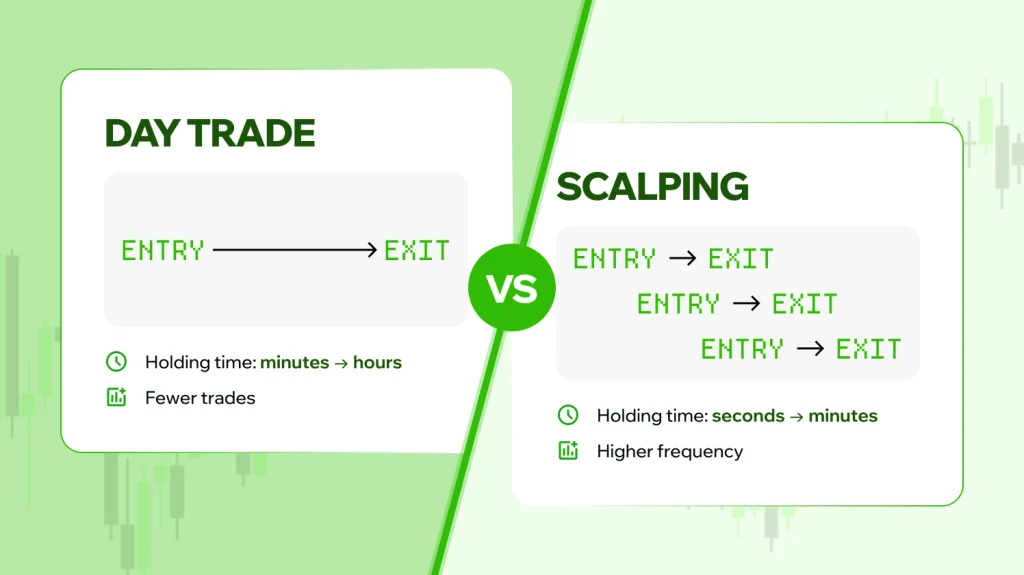
Swing trading sits between day trading and long-term investing: positions are held for days to weeks, aiming to capture one “swing” in price rather than a single-session move or a multi-year trend. It requires less screen time than day trading but more tolerance for overnight risk than closing everything out before the bell. It’s a genuinely different risk profile with its own set of trade-offs.
Hedging strategy: does it actually guarantee profit?
“Hedge Trading Strategy Explained (GUARANTEED PROFITS?)” (Mind Math Money, YouTube) puts the question mark right in the title, which is more honest than most. A hedge (taking an offsetting position to reduce risk) is a real and widely used technique; Investor’s Business Daily’s “This Hedging Strategy Changes The Game For Managing Risk During Earnings Season” (Investor’s Business Daily, YouTube) shows the legitimate, institutional version: reducing exposure ahead of a known volatility event rather than eliminating risk for free.
That distinction matters. A hedge reduces a defined risk in exchange for some combination of premiums, transaction costs, financing costs, basis risk, or limited returns. A protective put, for example, can preserve upside exposure, but the premium reduces the position’s net return. A hedge does not, on its own, manufacture profit.
Where something closer to genuine “guaranteed profit” hedging does exist, in matched betting and arbitrage betting in the sports world, offsetting bets may theoretically lock in a return if every leg is placed at the expected odds and remains valid. The technique is mathematically sound but fragile: odds can move, bets can be limited or voided, and bookmakers may restrict accounts they identify as using arbitrage or promotional offers. Its legality also depends on whether betting is permitted in the relevant jurisdiction (industry guides on arbitrage and matched betting, 2026).
The same caution applies in reverse to trading: spreads, commissions, and net financing costs on opposing positions can turn a same-instrument “hedge” on a single platform into paid protection rather than a source of profit.
The sports-betting crossover
“How to Make Money Sports Betting | Beginner’s Guide to Hedging Bets” (BettingPros, YouTube) and “When Should I HEDGE My Bets??” (Circles Off, YouTube) both use the identical vocabulary (hedge, lock in, guarantee) as the finance content above. It’s worth comparing language between the two worlds deliberately: a trader who understands why an apparent betting edge depends on available odds, execution, and the counterparty’s terms will understand more intuitively why a hedge can look cleaner on paper than it does after costs.
Common mistakes with swing trading and hedging
- Treating swing trading as “day trading but slower”. The overnight and weekend gap risk is a structurally different exposure from an intraday trade.
- Believing a hedge removes risk for free. A real hedge reduces a defined risk in exchange for a premium, transaction costs, financing costs, foregone returns, or another trade-off. It generally costs money; it doesn’t produce money by itself.
- Ignoring holding costs on hedged positions. Spreads, commissions, and any net swap charges across opposing legs can add up over time, quietly eroding the “safety” the hedge appears to offer.
- Assuming a strategy that “made someone millions” transfers directly to a smaller account. Position sizing and risk tolerance rarely scale down as cleanly as the pitch suggests.
How to approach swing trading and hedging: 4 practical steps
- Step 1. Confirm your holding period matches your risk tolerance for gaps. If overnight news risk keeps you up at night, swing trading may not fit, regardless of the strategy.
- Step 2. Use hedges for a defined risk or portfolio purpose, not as a permanent state without a clear objective. A hedge held indefinitely without one may become mostly a cost.
- Step 3. Price in the full cost of any hedge, including applicable spreads, swaps, commissions, and premiums, before deciding it’s worth the risk reduction.
- Step 4. Size any “strategy that made someone millions” to your own account and risk tolerance, not theirs.
Are swing trading and hedging worth it? Weighing it honestly
The advantages: Swing trading requires less constant screen time than day trading while still producing more frequent decisions and performance feedback than long-term investing. A well-timed hedge genuinely can reduce damage from a specific, scheduled risk event.
The limitations: Swing trading still carries real overnight and weekend risk that a lot of confident-sounding content underplays. And “hedging” marketed as a source of guaranteed profit, rather than protection obtained through a cost or trade-off, misdescribes what the technique normally does in trading. Sports arbitrage may theoretically lock in a return, but only if every leg is executed and honored on the expected terms.
CEO & Co-Founder, Versus Trade – Vitalii Bulynin
(paraphrased from FXStreet interview, July 15, 2026)
“Discipline and risk management are the core traits that separate traders who last from those who don’t — and that’s true whether you’re holding a position for ten minutes or ten days.”
Vitalii Bulynin, CEO & Co-Founder, Versus Trade (paraphrased from FXStreet interview, July 15, 2026)
Conclusion: a hedge is insurance, not a loophole
Swing trading strategies and hedging strategy content both sell confidence better than they sell nuance. Swing trading is a legitimate middle ground between day trading and investing, provided the gap risk is respected rather than ignored. Hedging is a legitimate risk-management tool, provided it’s understood as insurance you pay for rather than a loophole that manufactures profit.
The sports-betting version of “hedging bets” makes the trade-off unusually easy to see: even a mathematically valid edge can shrink or disappear if odds move, a bet is voided, or a bookmaker limits the account.
Risk disclaimer: CFDs are high-risk instruments, and leverage can rapidly amplify losses. Available protections depend on the broker and jurisdiction. This article is educational content, not financial advice.
Markets move fast. Get the flexibility to adjust your exposure and trade opportunities your way with leverage up to 1:2000.

Note on sourcing: citations appear inline next to the claim they support. Video citations are based on each video’s title and description, not verbatim transcripts. The characterization of matched betting and arbitrage betting is based on multiple 2026 industry guides on the practice and its account-restriction risk. The Versus Trade reference is paraphrased from a named, on-record interview (FXStreet, July 15, 2026), since the original remarks were reported in indirect speech.
- Swing trading strategies: the confidence spectrum
- What is swing trading, really?
- Hedging strategy: does it actually guarantee profit?
- The sports-betting crossover
- Common mistakes with swing trading and hedging
- How to approach swing trading and hedging: 4 practical steps
- Are swing trading and hedging worth it? Weighing it honestly
- Conclusion: a hedge is insurance, not a loophole